Temperatures are dropping in Wisconsin, and hardware stores are full of shrink film, double-sided tape, and everything you need to insulate your windows. This time of year, you may walk by a window and notice that cold air is getting in. This makes purchasing a diy window insulation kit a major temptation. It sounds pretty straightforward: take a trip to the hardware store, install the materials, and tada, you have a warmer room. But do window insulation kits work? Yes, but there are limits. Here’s what they do well, what they can’t do, and how you can tell whether the window itself is the real problem.
TLDR
When you break it down, a window insulation kit is simply a sheet of clear plastic film that you tape to the window trim and then tighten up with a hair dryer.
How does it work? It works by trapping a layer of still air against the glass and stopping the air from getting in and around the sash.
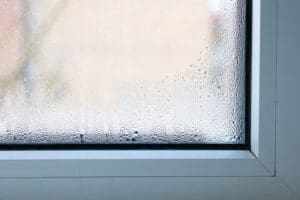
ENERGY STAR states that it reduces drafts, makes a home feel warmer in the winter, and reduces condensation on the glass. That very same ENERGY STAR page rates the project two out of five stars for energy savings. A kit helps, but it’s not a solution for a window that’s just worn out.
When a Kit Makes Sense
- Single-pane windows in a cabin, sunroom, or seasonal space that stays closed up all winter
- A drafty window you plan to replace but can’t get to before the cold sets in
- Windows that rattle and windows that have small gaps around the trim are two of the signs that ENERGY STAR lists as being indicative of a home that could benefit.
- A room where you need a temporary layer you can peel off in spring
For best results, clean the frame first, cut the film with a few inches to spare on each side, and shrink it tight. Any film that’s loose or wrinkled, with gaps at the edges, won’t hold the air layer that it needs to work.
What a Kit Can’t Fix
Plastic film covers a problem. It doesn’t repair it. A kit won’t help with:
- Fog trapped between the panes, which means the seal on the insulated glass has failed
- Soft, stained, or rotting sills and sashes
- Water getting in around the frame during rain or snowmelt
- Sashes that stick, won’t lock or let light in at the edges
- Cold air coming through gaps between the window frame and the wall
A long Wisconsin winter will make all of the above worse. Water that gets into a frame will expand as it freezes, and our guide to how freeze/thaw cycles damage windows will explain just how that adds up over the years. The damage can remain hidden under a sheet of plastic until spring.
There’s also a practical compromise. A covered window will stay shut until the film comes down, so don’t bother with the kit on any bedroom window you’d need as an emergency exit.
Kit, Storm Window or Replacement?
It helps to think of your options as steps:
- Insulation kit. A one-season layer. The ENERGY STAR instructions say to take it down when winter’s over.
- Storm windows (a longer-lasting addition to leaky but sound windows). In a Minnesota storm window pilot, the replacement of old leaky storm windows with new ones reduced the whole building air leakage by 10 to 20%.
- Replacement windows. The answer when the frame, sash or glass seal is failing.
ENERGY STAR’s guide to replacing windows points to the same red flags: single glazing, drafts, rotted sills and sashes, windows that won’t open or are painted shut. It also points out that windows constitute around 8% of a home’s surface area but are responsible for nearly half the heat loss or gain. If you’re still not sure whether you need to replace them, our post on when to replace windows goes into the signs in more detail.
Why Installation Matters as Much as the Window
New windows only fix the problem if they’re in right. The U.S. Department of Energy’s consumer guide to energy efficient windows points out that even the most efficient windows can result in a draughty house and condensation if they’re not installed correctly and advises you to look for properly trained installers.
That’s the gap a kit can’t bridge. Every Renewal by Andersen window is individually built to fit its opening and our installers then insulate and seal the cavity around the frame prior to the trim being reinstalled. Combined with the Fibrex® composite frames which are very good at resisting heat transfer, that tight fit is what keeps the cold air out over the long term. You can see how the glass and frame work together on our energy efficiency page.
Winter isn’t an excuse to wait either. We strip one window at a time and wherever possible we shut off the room we’re working in so the rest of the house stays warm.
Common Questions
Do window insulation kits actually work in Wisconsin?
They’ll cut the drafts and help with the condensation (particularly on single glazing). Think of them as a short term layer rather than a replacement for a window that’s going at the end of its life.
Do window insulation kits help with condensation?
They can. ENERGY STAR point out that the film will reduce moisture build-up on the window. Heavy condensation can also be a sign of high indoor humidity so it’s worth checking that as well.
How long will a window insulation kit last?
One heating season. Take it down in the spring and have a look underneath the window for any moisture damage.
Can you fit replacement windows in the winter?
Yes. One window at a time with the working area completely shut off, winter installation keeps the heat loss right down.
Not sure what your Windows needs are?
If you’re putting plastic on the same windows every fall in Oshkosh, Fond du Lac, Sheboygan, Stevens Point, Sturgeon Bay or anywhere in NE/Central Wisconsin then it may be time for a closer look. Book an in home consultation with Renewal by Andersen of Greater Wisconsin and we’ll help you determine which windows can wait and which ones are ready to be replaced.